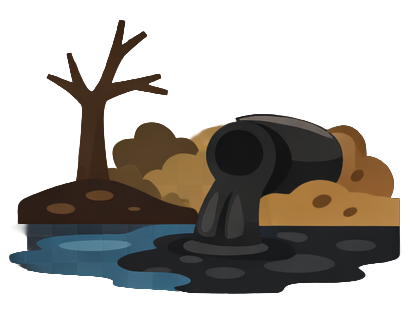
Environmental Harm
Dumping contaminates soil, water, and ecosystems. Smoke from burning pollutes the air we all breathe. Dumped waste blocks drains, causes flooding, and destroys natural habitats.
Environmental Harm: The Devastating Impact on Sri Lanka's Ecosystems
Each year, over 1.6 million metric tonnes of plastic waste are generated in Sri Lanka, of which approximately 70% are single‑use plastics. About 69% of the country's annual plastic waste, or nearly 171,561 tonnes, remains unmanaged and ends up burned, landfilled, or released into the environment. This invisible burden destroys Sri Lanka's terrestrial, freshwater, and marine ecosystems.
🔥 Air Pollution: Toxic Fumes Contaminate Everything
Open waste burning, in addition to being illegal, is a major source of air pollution. Research indicates that approximately 419 metric tonnes of waste are burned daily on private properties.
- A dangerous chemical cocktail: Burning plastic, especially PVC, releases heavy metals (lead, mercury, copper), dioxins, furans, and polycyclic aromatic hydrocarbons (PAHs).
- Record pollution levels: During the X‑Press Pearl disaster, researchers detected PAH levels in burnt plastic debris (199,000 ng/g) that rank among the highest ever recorded for marine plastic debris. These burnt particles are hazardous waste with toxicity exceeding permitted levels for consumer goods.
- Lasting consequences: Burnt plastics have stronger and longer‑lasting toxic effects than non‑burnt plastics, with serious ecological and health impacts.
- Widespread air pollution: Air quality in Sri Lanka is considered "unhealthy for sensitive groups" by the CEA, particularly affecting the Northern, North Central, Western, North Western provinces and parts of the East.
🌊 Marine Pollution: An Ocean of Plastic
Sri Lanka has a biodiverse coastline, but its waters are submerged by a tide of plastic. The Chairman of the MEPA revealed that 82% of the polyethylene and plastic used in the country ends up in the sea, with 10% remaining on the shoreline and 2% floating in the ocean.
- The worst marine plastic disaster: In 2021, the container ship X‑Press Pearl spilled over 1,680 tonnes of plastic pellets (nurdles) into the ocean. Four years later, pellets are still scattered along the coasts, trapped in coral reefs and buried in the sand.
- Persistent transboundary pollution: In 2025, a new tide of pellets from the MSC ELSA shipwreck off the coast of Kerala (India) polluted Sri Lanka's northern, western and southern coasts.
- Critical ecosystems threatened: Coral reefs and seabeds are "severely polluted" by plastic waste, threatening biodiversity and habitats.
- Call to action: The MEPA plans to conduct a waste audit to hold companies accountable.
💧 Freshwater Contamination: Rivers, Lakes, and Groundwater Poisoned
Plastic pollution is not limited to the coasts. Much of Sri Lanka's freshwater reservoirs, waterways, and rivers face a growing plastic pollution crisis.
- Millions of tonnes discharged: A recent CEA survey revealed that more than seven million tonnes of non‑degradable polyethylene and plastic travel through rivers to end up in the ocean.
- A threat to wildlife: Plastic waste clogs water sources, leads to soil degradation, and poses a huge threat to wildlife. Plastic ingestion has caused the death of twenty elephants.
- Fragmentation into microplastics: Plastics break down into microplastics that mix with water sources, with harmful health effects.
🐾 Biodiversity Loss: Wildlife Paying the Ultimate Price
Sri Lanka's unique ecosystems are under severe stress from ingestion, entanglement, and poisoning by plastic waste.
- Trapped sea turtles: Turtles die after ingesting plastics or becoming entangled in abandoned nets.
- Suffocated corals: Pellets infiltrate coral beds, disrupting the growth of reefs essential for biodiversity.
- Risk of "nutrient pollution": Decomposition of organic waste releases nitrates and phosphates, causing eutrophication.
🏞️ Soil Contamination and Land Degradation
The accumulation of plastic waste in open dumpsites has dramatic consequences for soils.
- Unstable and deadly landfills: At Meethotamulla, the collapse of a waste mountain killed 32 people in 2017.
- Groundwater pollution: Untreated waste poisons the soil and groundwater and releases toxic gases.
🔬 The Invisible Threat: Microplastics and Toxic Chemicals
Plastic waste fragments into microplastics, particles invisible to the naked eye.
- Present in water, air, and human blood: Studies have found microplastics in fish, drinking water, and even human blood.
- Toxic chemical additives: Plastics contain additives that leach into the environment.
- Classification as "hazardous waste": Scientists recommend classifying burnt plastics as hazardous waste to protect public health.